

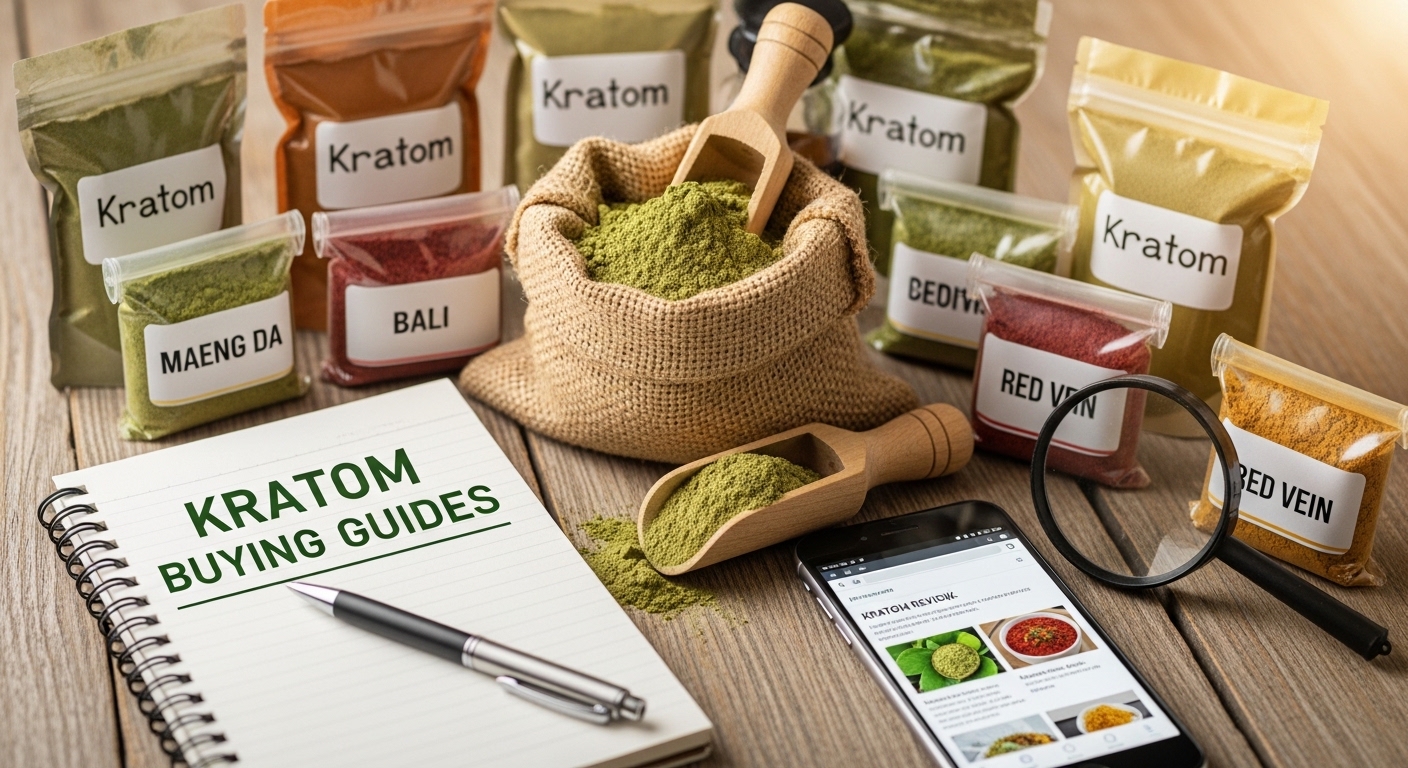
The kratom market is overwhelming. Hundreds of websites claim they’re the “best.” They all promise premium quality, lab testing, and fast shipping. But here’s the brutal truth:
Most of them are lying.
The kratom industry is barely regulated. Anyone can set up a website, buy cheap powder from questionable sources, and slap a “premium quality” label on it. No testing. No transparency. No accountability.
So how do you separate the legitimate vendors from the scammers?
That’s exactly what this article will show you. You’ll learn the exact criteria that separate the best kratom sellers from the rest, the red flags that scream “avoid this seller,” and the specific steps to buy kratom online without gambling with your safety.
What Makes a Kratom Vendor Trustworthy?
Here’s what most people get wrong about buying kratom online.
They focus on price.
But the cheapest kratom is usually the most dangerous. It’s not tested. It’s often contaminated. And it might not even be real kratom.
The best kratom vendors share five non-negotiable characteristics:
1. Third-Party Lab Testing (Not Just Claims)
Anyone can say their kratom is “lab tested.” But can they prove it?
Legitimate vendors publish current Certificates of Analysis (COAs) for every batch they sell. These documents come from independent laboratories, not the vendor’s in-house “testing facility.”
What should these lab reports test for?
- Heavy metals (lead, mercury, arsenic)
- Microbial contamination (salmonella, E. coli)
- Alkaloid content (mitragynine and 7-hydroxymitragynine levels)
If a vendor doesn’t display recent COAs on their website, that’s your first red flag.
2. Transparent Sourcing Information
Where does their kratom come from?
The best kratom vendors don’t hide this information. They tell you the specific region in Southeast Asia where their kratom is harvested. They explain their relationships with farmers. They show you their supply chain.
Why does this matter?
Because kratom quality varies dramatically by region and harvesting practices. Indonesian kratom from mature trees in nutrient-rich soil produces completely different alkaloid profiles than young trees grown in depleted soil.
3. GMP Compliance
Good Manufacturing Practices (GMP) certification isn’t legally required for kratom vendors yet.
But the trustworthy ones pursue it anyway.
GMP certification means the vendor follows strict protocols for:
- Facility cleanliness
- Product handling
- Quality control procedures
- Employee training
- Record keeping
It’s expensive and time-consuming to maintain. Which is exactly why it matters. Vendors who invest in GMP certification are serious about quality.
4. Responsive Customer Service
This one seems obvious, but you’d be surprised.
Try contacting a vendor before you buy. Ask a specific question about their testing procedures or sourcing. See how quickly they respond and how thoroughly they answer.
The best kratom vendors have knowledgeable staff who can discuss alkaloid profiles, strain differences, and testing protocols. They don’t just copy-paste generic responses.
5. Clear Return and Refund Policies
Legitimate vendors stand behind their products.
They offer satisfaction guarantees. They accept returns for unopened products. They replace contaminated or mislabeled batches without argument.
If a vendor’s return policy is buried in fine print or filled with impossible conditions, walk away.
The Red Flags That Scream “Avoid This Vendor”
Let’s talk about what separates the scammers from the professionals.
These warning signs should send you running:
Unrealistic Health Claims
If a website claims kratom will “cure” anything, stop reading and close the tab.
The FDA has repeatedly warned vendors about making unsubstantiated health claims. Legitimate vendors know this. They provide information about kratom’s traditional uses without making medical promises.
No Contact Information
A professional vendor lists a physical address, phone number, and email.
If you can only reach them through a contact form, that’s suspicious. If there’s no “About Us” page explaining who runs the company, that’s even worse.
Prices That Seem Too Good to Be True
Premium kratom costs money to source, test, and package properly.
If someone is selling kilograms for half the market rate, ask yourself why. Either their quality is terrible, their testing is fake, or they’re cutting their kratom with fillers.
Pressure Tactics and Fake Urgency
“Only 3 bags left!” “Sale ends in 2 hours!” “Limited time offer!”
These are the tactics of vendors who prioritize sales over customer relationships. The best kratom vendors don’t need to manufacture urgency. Their product quality speaks for itself.
No Batch Numbers or Lot Tracking
Every package should have a batch number that corresponds to specific lab testing results.
This allows you to verify the exact testing data for the product you received. Without batch tracking, there’s no accountability.
How to Verify Lab Testing Results
Here’s where most people make a critical mistake.
They see a COA on a website and assume it’s legitimate. But fake lab reports are everywhere in the kratom industry.
How do you verify testing authenticity?
Step 1: Check the Laboratory’s Credentials
The lab performing the tests should be:
- Accredited (ISO/IEC 17025 is the gold standard)
- Independent (not owned by the kratom vendor)
- Specialized in botanical testing
Google the laboratory name. Visit their website. Verify they actually exist and perform the testing they claim.
Step 2: Match Batch Numbers
The batch number on your kratom package should match the batch number on the COA. If the vendor only shows generic “sample” results that don’t correspond to specific batches, that’s a problem.
Step 3: Look for Recent Dates
Lab results from two years ago are worthless.
Kratom quality changes with every harvest and batch. The best kratom vendors test every single batch and publish results within 30-60 days of the test date.
Step 4: Contact the Lab Directly
If you’re spending significant money, take this extra step.
Call or email the testing laboratory. Ask them to confirm they performed testing for that specific vendor and batch number. Legitimate labs will verify this information.
Understanding Kratom Strains and Vein Colors
You can’t evaluate vendors without understanding what you’re buying.
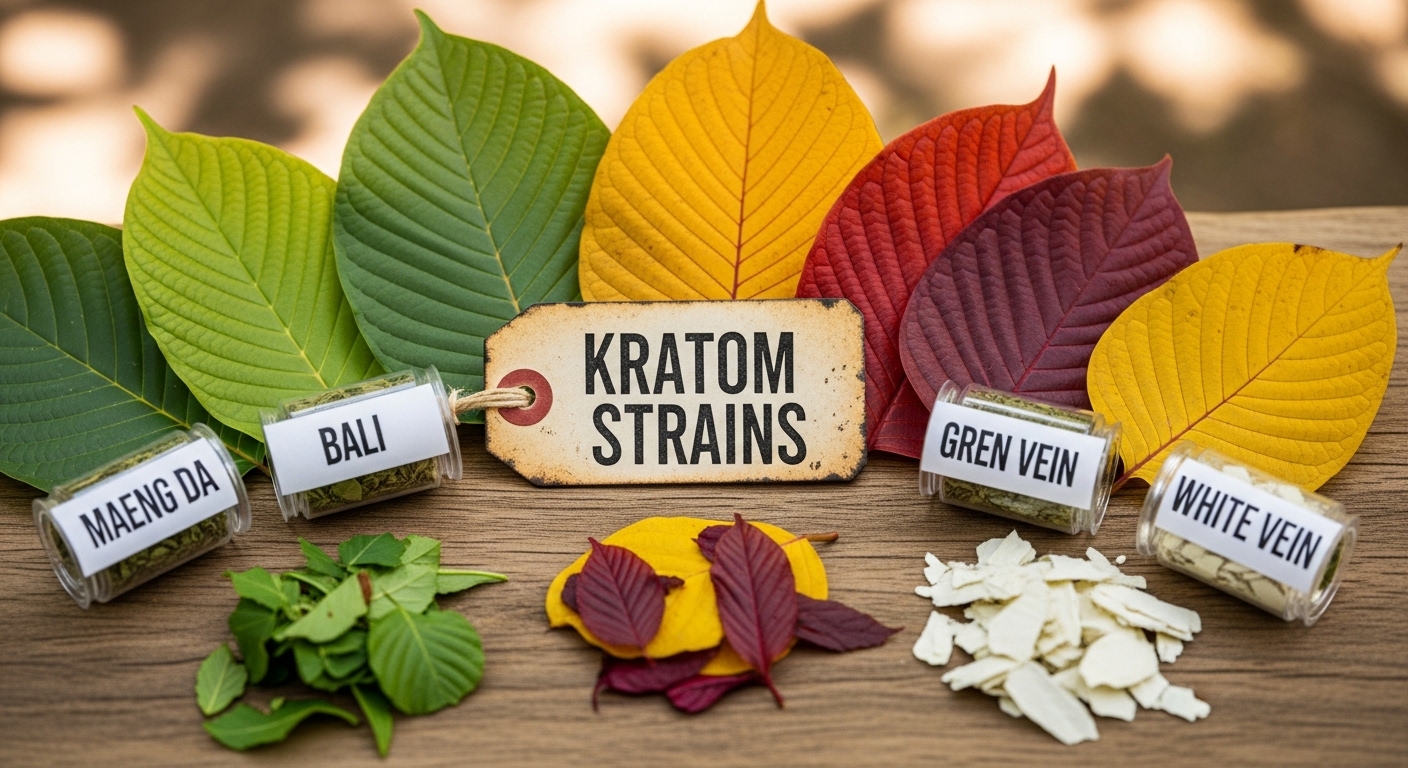
The kratom market uses a color-coded system that’s actually more marketing than science. But it still matters for finding consistent products.
| Vein Color | Common Effects Reported | Best For |
|---|---|---|
| Red Vein | Relaxation, evening use | Users seeking calming properties |
| White Vein | Energy, focus, morning use | Users wanting alertness |
| Green Vein | Balanced, midday use | Users seeking middle ground |
Here’s what most vendors won’t tell you:
The vein color refers to the color of the leaf veins at harvest time, which correlates with alkaloid maturity. But processing methods (drying, fermentation) also dramatically affect the final product.
This is why consistency matters more than color names.
The best kratom vendors maintain consistent processing protocols so their “Red Bali” today matches their “Red Bali” from three months ago. Inconsistent vendors produce wildly different products under the same name.
Conclusion: Your Next Steps
Buying kratom online doesn’t have to be a gamble.
You now know exactly what separates legitimate vendors from scammers. You understand the testing protocols that matter. You can identify red flags before wasting your money.
Frequently Asked Questions
What makes a kratom vendor trustworthy and reliable?
Trustworthy kratom vendors provide third-party lab testing with published COAs, maintain GMP certification or compliance, offer transparent sourcing information, have responsive customer service, and provide clear return policies. They also use batch tracking systems and ship products in proper packaging that protects kratom quality.
How can I verify if lab testing results are legitimate?
Verify lab testing by checking the laboratory’s credentials and accreditation, matching batch numbers on your product to the COA, ensuring test dates are recent (within 30-60 days), and contacting the lab directly to confirm they performed testing for that specific vendor and batch. Look for ISO/IEC 17025 accredited labs.
Is it safe to buy kratom online compared to local shops?
Online kratom vendors often provide better transparency through published lab results and detailed sourcing information compared to local shops. The best online vendors maintain stricter quality control, offer batch tracking, and provide verifiable testing documentation. However, safety depends on choosing reputable vendors regardless of whether you buy online or locally.
What should I pay for quality kratom from trusted vendors?
Quality tested kratom typically costs $120-200 per kilogram from legitimate vendors. For smaller quantities, expect $8-15 for 25 grams, $15-30 for 100 grams, and $30-60 for 250 grams. Prices significantly below these ranges often indicate untested or low-quality products, while much higher prices may reflect marketing rather than quality.
How do I know if kratom is legal in my area before ordering?
Check your specific state and local regulations before ordering, as kratom is banned in several U.S. states including Alabama, Arkansas, Indiana, Rhode Island, Vermont, and Wisconsin, plus certain cities and counties. Reputable vendors maintain updated shipping restrictions, but you should independently verify legal status in your location since regulations change frequently.