
Here’s the deal: buying kratom online feels like navigating a minefield.
You click on a website. The prices look good. The photos are professional. But how do you know if what you’re getting is actually safe, pure, and effective?
Look, I get it. The kratom market is flooded with sellers making bold claims. Some are legitimate. Others? Not so much.
The truth is, finding reliable kratom sellers isn’t just about price. It’s about quality control, third-party testing, and transparency. And when it comes to popular strains, you need to know exactly what you’re buying and why it matters.
This isn’t rocket science, but it does require some knowledge. Let’s break down the most popular kratom strains, what makes them different, and how to spot kratom sellers you can actually trust.
Why Strain Selection Matters More Than You Think
Most people make this mistake: they buy kratom based on what’s cheapest or what’s in stock.
But here’s what they don’t tell you.
Different kratom strains come from different regions, different harvesting times, and different processing methods. That means the alkaloid profile varies significantly from one strain to another.
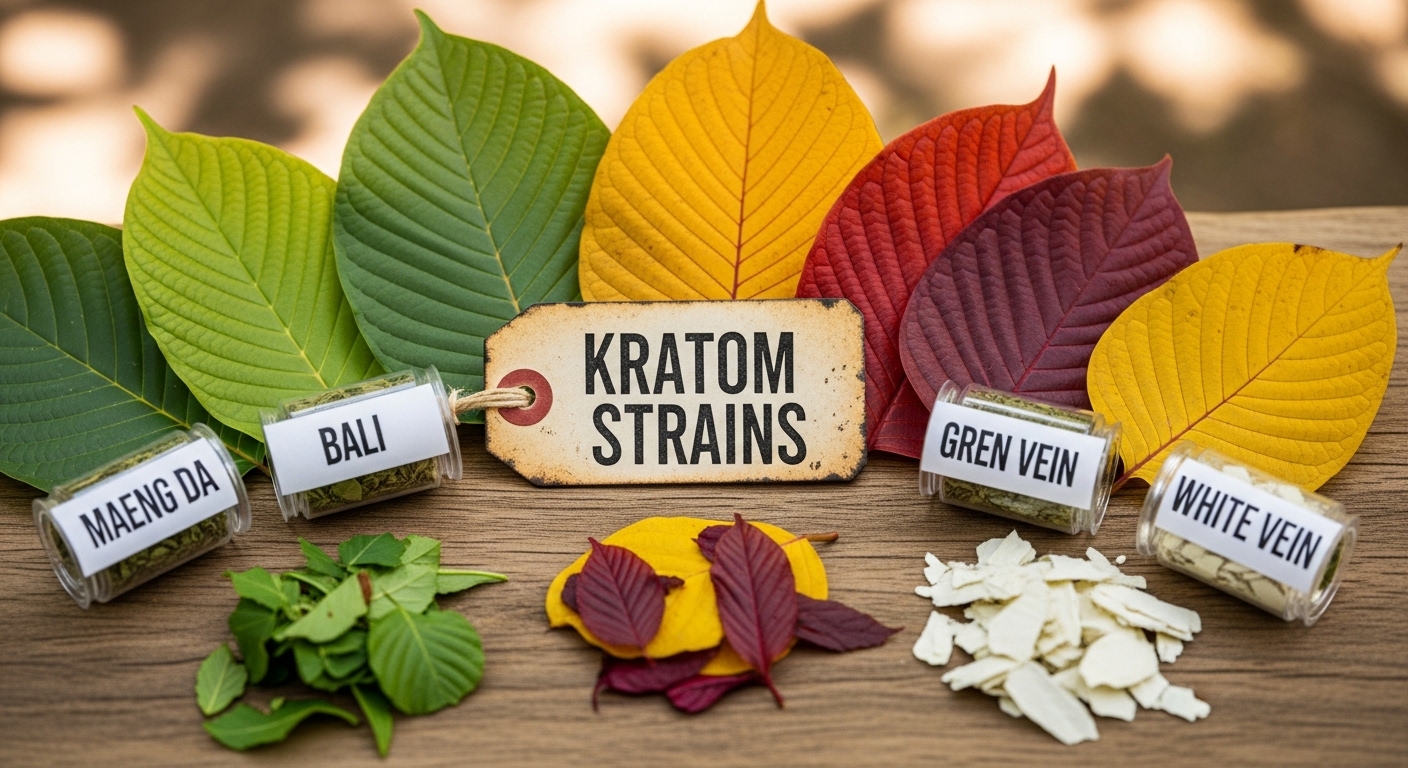
Red vein kratom typically has higher 7-hydroxymitragynine content. White vein strains lean toward higher mitragynine levels. Green vein sits somewhere in the middle.
And if you’re buying from kratom sellers who don’t understand these differences or worse, who mislabel their products, you’re not getting what you paid for.
The Most Popular Kratom Strains (And What They Actually Do)
Let’s cut through the marketing hype.
Red Maeng Da
This is the heavyweight champion of kratom strains. Red Maeng Da comes from Thailand, and it’s known for its potency.
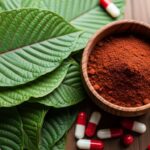
Why do people love it? Because it delivers consistent results. Best kratom vendors source this from mature trees with deep red veins, which means higher alkaloid concentration.
But here’s the catch: not all “Maeng Da” is created equal. Some vendors slap that label on mediocre product because they know it sells.
Green Malay
If Red Maeng Da is the heavyweight, Green Malay is the marathon runner.
This strain comes from Malaysia, and it’s prized for its balanced alkaloid profile. People who need sustained effects throughout the day gravitate toward this one.
The problem? Green Malay is frequently counterfeited. Unscrupulous kratom sellers will mix lower-quality greens and call it “Malay” because they can charge more.
White Borneo
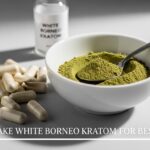
Want something energizing? White Borneo is your answer.
Sourced from the island of Borneo, this strain has a reputation for clarity and focus. It’s popular among professionals who need to stay sharp without the jitters.
But again, quality matters. Legitimate kratom sellers will provide lab reports showing the mitragynine content. If they don’t, walk away.
Red Bali
This is the beginner-friendly strain. Red Bali is widely available, affordable, and forgiving.
It comes from Indonesia, specifically the Bali region, and it’s known for its mild, soothing properties. It’s perfect for people new to kratom who don’t want to be overwhelmed.
The downside? Because it’s so popular, Red Bali is one of the most commonly adulterated strains. Cheap kratom sellers will cut corners here, so verification is critical.
Yellow Vietnam
Here’s a strain that doesn’t get enough attention: Yellow Vietnam.
This one is unique because “yellow” kratom isn’t technically a vein color. It’s a processing technique that involves fermenting the leaves. The result is a strain with a distinctive alkaloid balance.
Trusted kratom sellers who carry Yellow Vietnam are usually the ones who know their stuff. It’s not a mainstream product, so if a vendor stocks it, they’re likely serious about quality.
How to Identify Trustworthy Kratom Sellers
Okay, so you know which strains you want. Now comes the hard part: finding kratom sellers who won’t rip you off.
Third-Party Lab Testing Is Non-Negotiable
This is the number one indicator of a legitimate vendor.
Reputable kratom sellers test every batch for:
- Heavy metals (lead, arsenic, mercury)
- Microbial contamination (salmonella, E. coli)
- Alkaloid content (mitragynine and 7-hydroxymitragynine levels)
If a vendor doesn’t publish these lab reports on their website, that’s a red flag. You’re essentially buying blind.
Transparent Sourcing Information
Where does the kratom come from? How is it harvested? What’s the processing method?
Good kratom sellers will answer these questions clearly. They’ll tell you if their Red Maeng Da comes from Thailand or Indonesia. They’ll explain whether their leaves are shade-dried or sun-dried.
Vague answers like “sourced from Southeast Asia” aren’t good enough.
Customer Reviews and Community Reputation
Look, online reviews can be faked. We all know that.
But if you dig into kratom forums, Reddit communities, and independent review sites, you’ll start to see patterns. Certain kratom sellers consistently get praised for quality and customer service. Others get roasted for selling weak or contaminated product.
Do your homework. It takes 20 minutes and could save you hundreds of dollars.
Money-Back Guarantees and Responsive Support
Here’s a simple test: email the vendor with a question about their product.
If they respond within 24 hours with a detailed, knowledgeable answer, that’s a good sign. If you get radio silence or a generic copy-paste response, move on.
Trustworthy kratom sellers stand behind their product. They offer satisfaction guarantees because they’re confident in what they’re selling.
Red Flags to Watch Out For
Not all kratom sellers are created equal. Here are the warning signs that should make you think twice:
- Unrealistic claims: If a vendor says their kratom “cures” anything, run. Legitimate sellers don’t make medical claims.
- Suspiciously low prices: Quality kratom costs money to source and test. If it’s significantly cheaper than competitors, there’s usually a reason.
- No contact information: Anonymous vendors are a massive red flag. You should be able to find a phone number, physical address, or at minimum, a responsive email.
- Lack of product variety: Serious kratom sellers carry multiple strains and vein colors. If a site only has three products, they’re probably not sourcing directly.
Comparing Popular Strains: Quick Reference
| Strain | Origin | Vein Color | Best For | Potency Level |
|---|---|---|---|---|
| Red Maeng Da | Thailand | Red | Evening use | High |
| Green Malay | Malaysia | Green | All-day balance | Medium-High |
| White Borneo | Indonesia | White | Morning focus | Medium |
| Red Bali | Indonesia | Red | Beginners | Medium |
| Yellow Vietnam | Vietnam | Yellow (fermented) | Unique experience | Medium |
What About Kratom Blends?
Some kratom sellers offer proprietary blends, mixing different strains to create unique alkaloid profiles.
Are they worth it?
Sometimes. If the vendor is transparent about what’s in the blend and provides lab testing, blends can offer interesting benefits.
But here’s the problem: blends make it harder to dial in your dosage. If you’re new to kratom, stick with single-strain products until you understand how your body responds.
The Bottom Line on Popular Kratom Strains
Buying kratom doesn’t have to be complicated, but it does require diligence.
The most popular strains, Red Maeng Da, Green Malay, White Borneo, Red Bali, and Yellow Vietnam, are popular for a reason. They work. But only if you’re buying from kratom sellers who prioritize quality over profit.
Look for third-party lab testing. Demand transparency. Read reviews. And don’t be afraid to ask questions.
The kratom market isn’t going away. If anything, it’s growing. That means more vendors, more options, and unfortunately, more opportunities for low-quality products to slip through.
Your job is simple: be an informed buyer. Know what you’re looking for, know what questions to ask, and know when to walk away.
Because at the end of the day, your health and safety aren’t worth saving a few dollars on a sketchy vendor.